Work About Resume Contact

About

A little more about me.

I'm a product designer and UX researcher pursuing a Master's in Human Centered Design and Engineering at the University of Washington, graduating June 2027. I just wrapped a UX research co-op on Microsoft's CoreAI team, where I led usability research on Microsoft Foundry. The study surfaced a Severity-4 blocker that affected 8 out of 8 participants and turned a deprioritized known bug into a priority fix.

Past projects span identity verification, accessibility in education, climate tech, and maternal health. That work has been published in Cal Poly's TAGA Journal, recognized at CHI's Student Design Competition, and contributed to an early-stage startup's first investor round. AI, accessibility, and trust are the throughlines.

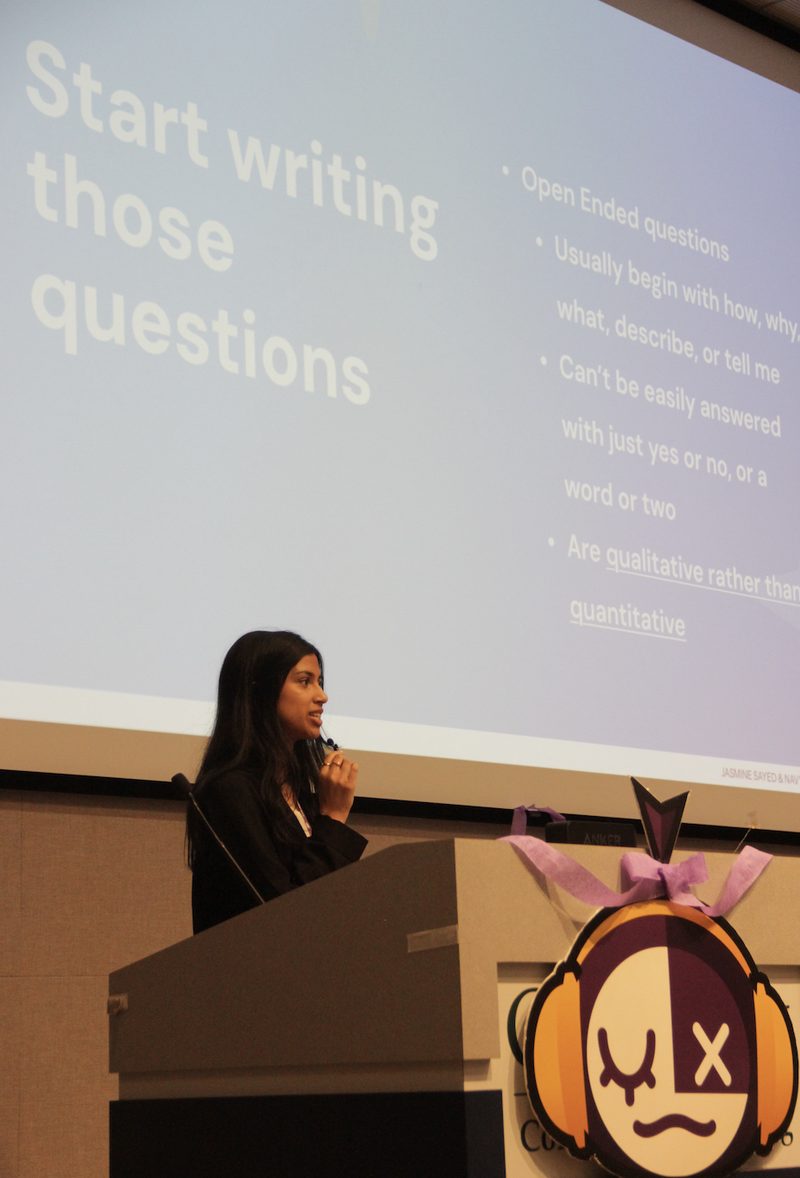
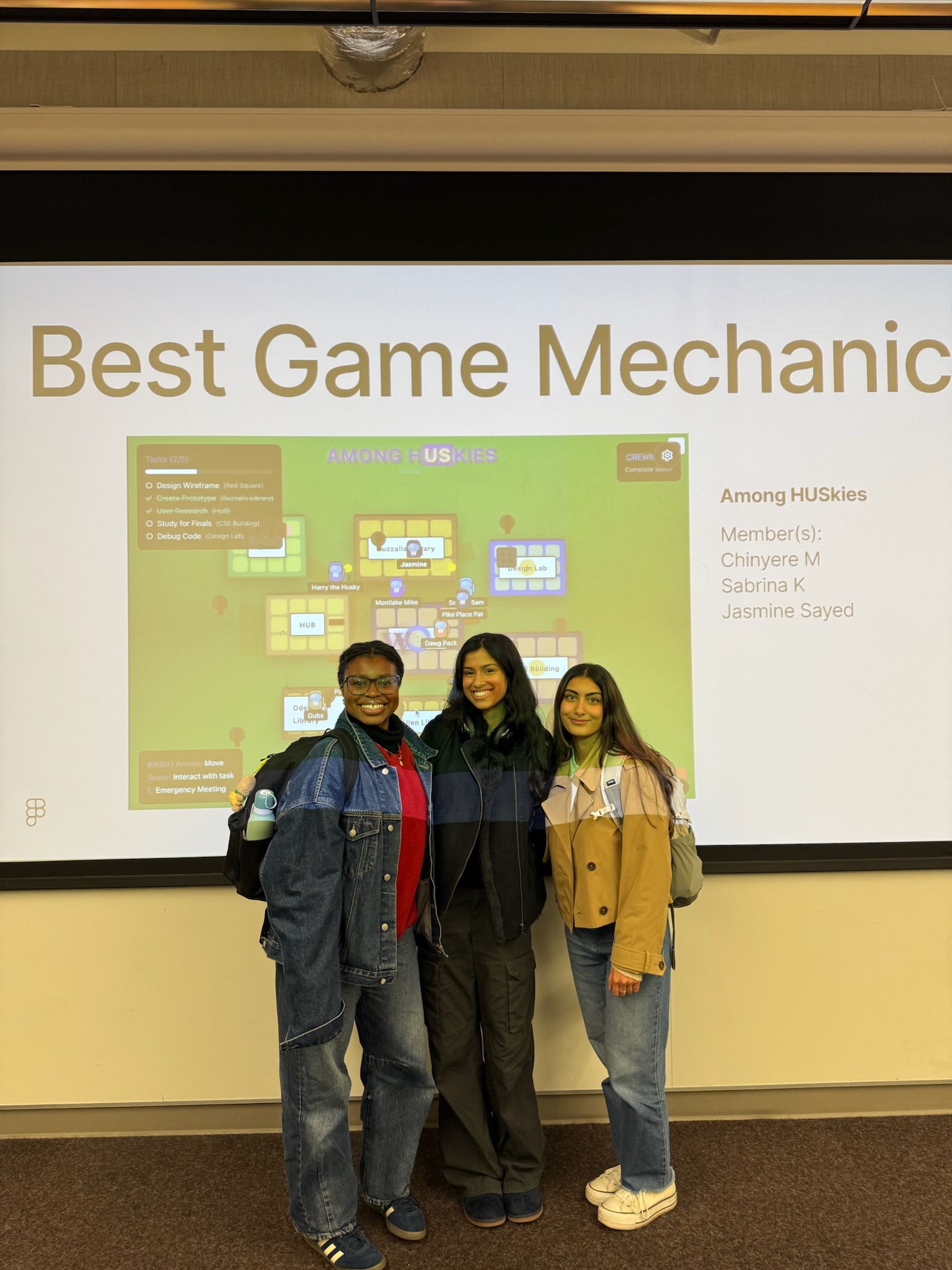
Outside of work I teach preschool and organize hackathons.

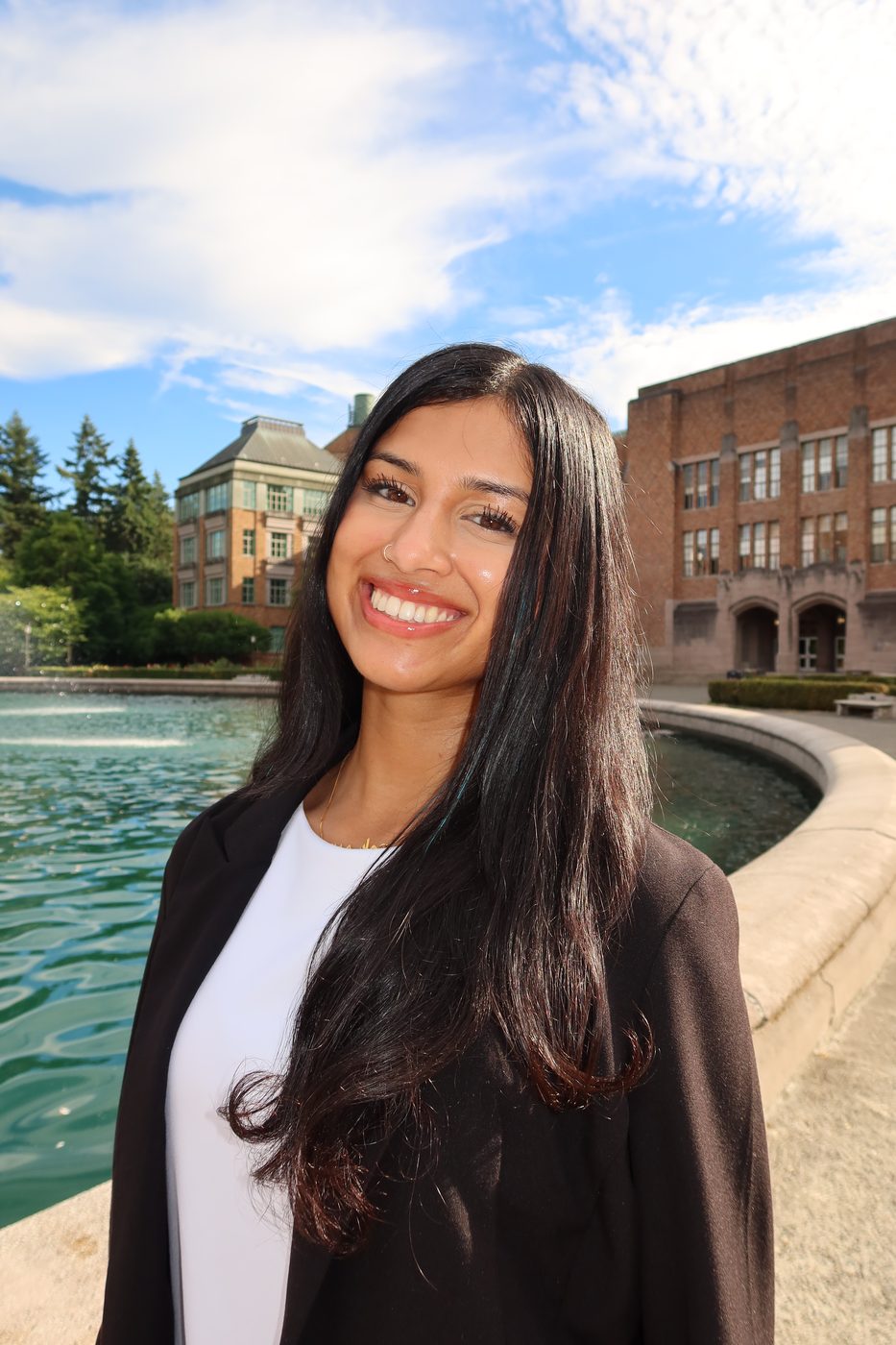
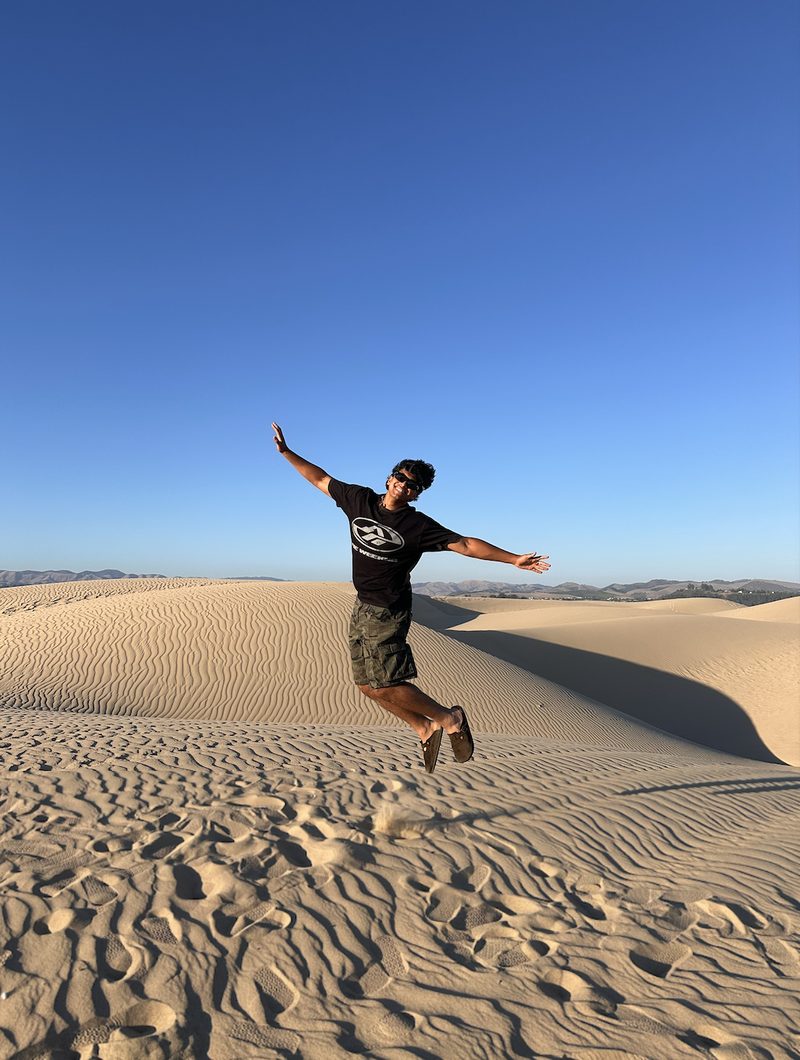
Portrait of Jasmine Sayed
Jasmine smiling
Most recently
UX Researcher
Microsoft CoreAI · Jan – May 2026
Studying
MS in HCDE
University of Washington · June 2027
Based in
Seattle & SF
Open to relocation
Looking for
Summer '26 internships
+ June 2027 new-grad roles

What I bring

Research
Moderated usability testing Think-aloud protocols Semi-structured interviews Contextual inquiry Surveys Journey mapping Competitive analysis Personas Synthesis & readouts
Design
Interaction design Information architecture Design systems Accessibility AI / ML product UX Wireframing Hi-fi prototyping Visual design
Tools
Figma FigJam Lookback Dovetail Maze Webflow Illustrator Qualtrics Miro

How I actually work

01

Make the call. Document the reasoning. Surface it for veto.

On Foundry, every methodological call was mine: recruitment, protocol, the mid-study choice to give participants a workaround. Reviews were veto-gates, not approval-gates. That's how I move fast in fuzzy projects without losing the people who need to weigh in.

02

The hardest "no" is to your own good idea.

On Nox+, I'd advocated for an AI document scanner. Strong demo, mockups in motion. But the research kept saying the blocker was trust, not convenience. We killed it and rebuilt around the privacy panels we'd been treating as a B-feature. Apple shipped Digital ID six months later. Same bet.

03

"Designed around a research gap" is sometimes the best you can do.

On Saksham, IRB constraints meant I couldn't directly include the kids I was designing for. I had to triangulate through parents, educators, and accessibility experts. I named that limitation in the paper. Honest about gaps; honest about what you can claim.

Published & recognized

2026
Designing for Neurodiversity: Accessibility in Educational Technology for India's Future Learners
Research paper on inclusive edtech for neurodivergent learners: framework + proposed design (Saksham).
Cal Poly TAGA Journal
& Digital Commons
2025
MomSAFE: AI-driven maternal healthcare
Research-led design exploration of LLM-supported prenatal care, anchored in expert interviews with OB/GYNs and labor nurses.
CHI 2025
Student Design Competition
2024
Nexstera Tech website redesign
UX-led redesign that contributed to $65K in seed funding and a 120% lift in investor engagement for a climate-tech startup.
Live redesign
→ seed round closed